
On the upper reaches of the Kalgan River, a short drive north of Mount Barker, Kendenup is a place
with a unique history and a bright future. The Noongar people have enjoyed the area’s variety and
abundance of food for millennia, now others are discovering its attractions. The town’s name comes
from the Noongar word for bandicoot: ‘quenda.’
European settlement at Kendenup began in Western Australia’s early days with a sheep station
operated by the Hassell family. The property was the site of the state’s first gold mine. Buildings
listed and protected, of heritage value, remain there on private property. Straddling the Great
Southern Railway Line and Albany Highway the property covered 47 325 acres and Kendenup was
one of the original stations on the rail line.
After eighty years as a sheep station Kendenup Estate was bought by the De Garis Kendenup (WA)
Development Company. The area was surveyed into small holdings (30 -60 acres mostly), town
blocks, factory lots, community and recreation facilities. People flocked to the area, many from the
Goldfields and Victoria but others from all over the world. The De Garis plan was to grow fruit and
vegetables with guaranteed processing and markets. To give the place a distinguished appearance,
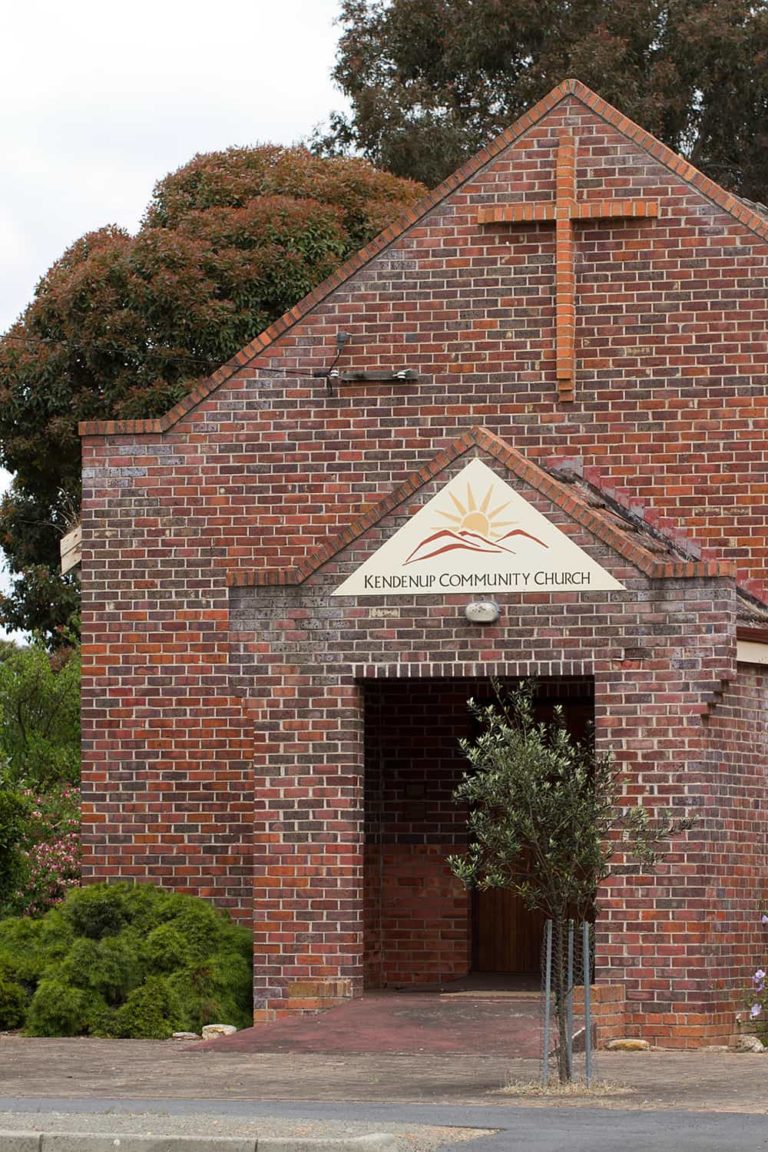
all buildings in the town were to be made of brick or stone. A brickworks was one of the earliest
businesses established, to make this possible and Kendenup bricks remain a sought after item. The
original 1920s buildings raised from the local product are easy to spot as you make your way down
Hassell Avenue.
Other agricultural ventures took off when the intensive fruit and vegetable model failed; orchards
catering to the export market and the freezer pea industry were proof of the area’s ability to
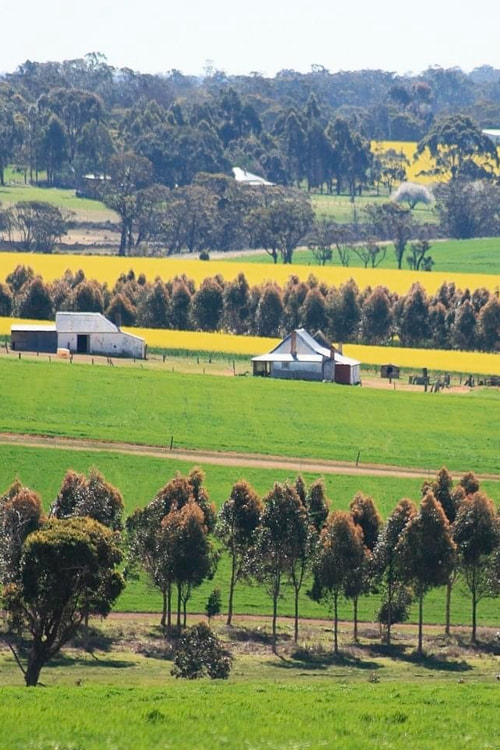
produce excellent fruit and vegetables but at a later date. Livestock production and cropping on
bigger acreages proved profitable, but the blueprint for the town remained allowing for a new phase
of development in the 1980s when a number of small farms were sold to developers. Around this
time the town became the site of a very unusual livestock venture- the farming of rabbits.
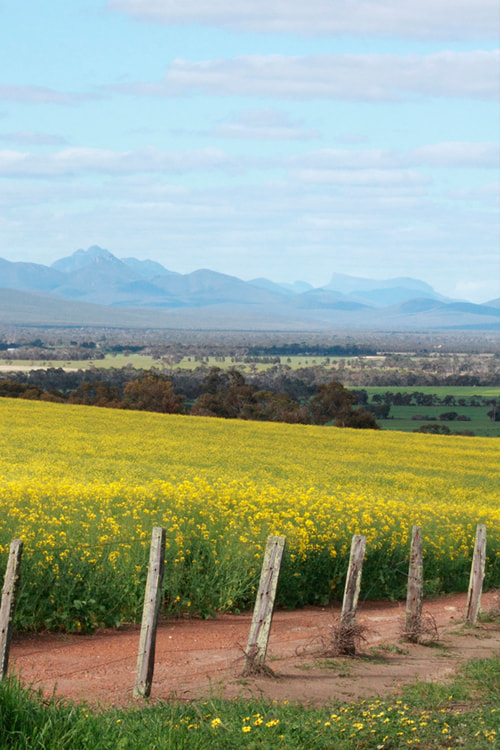
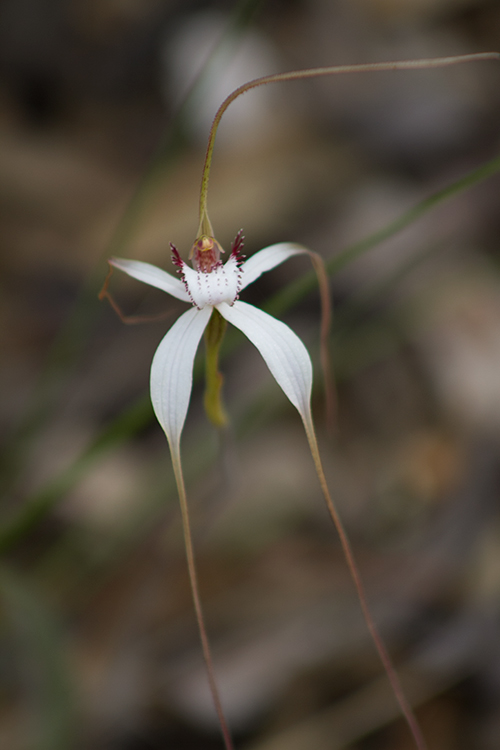
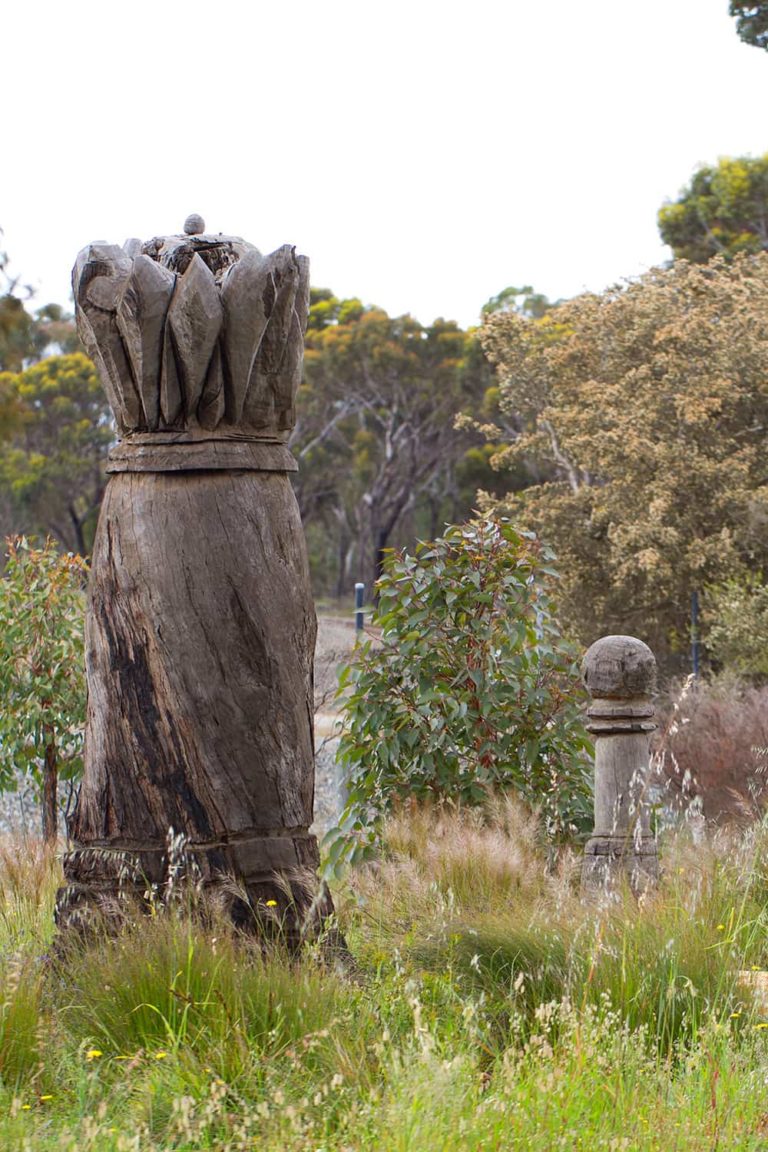
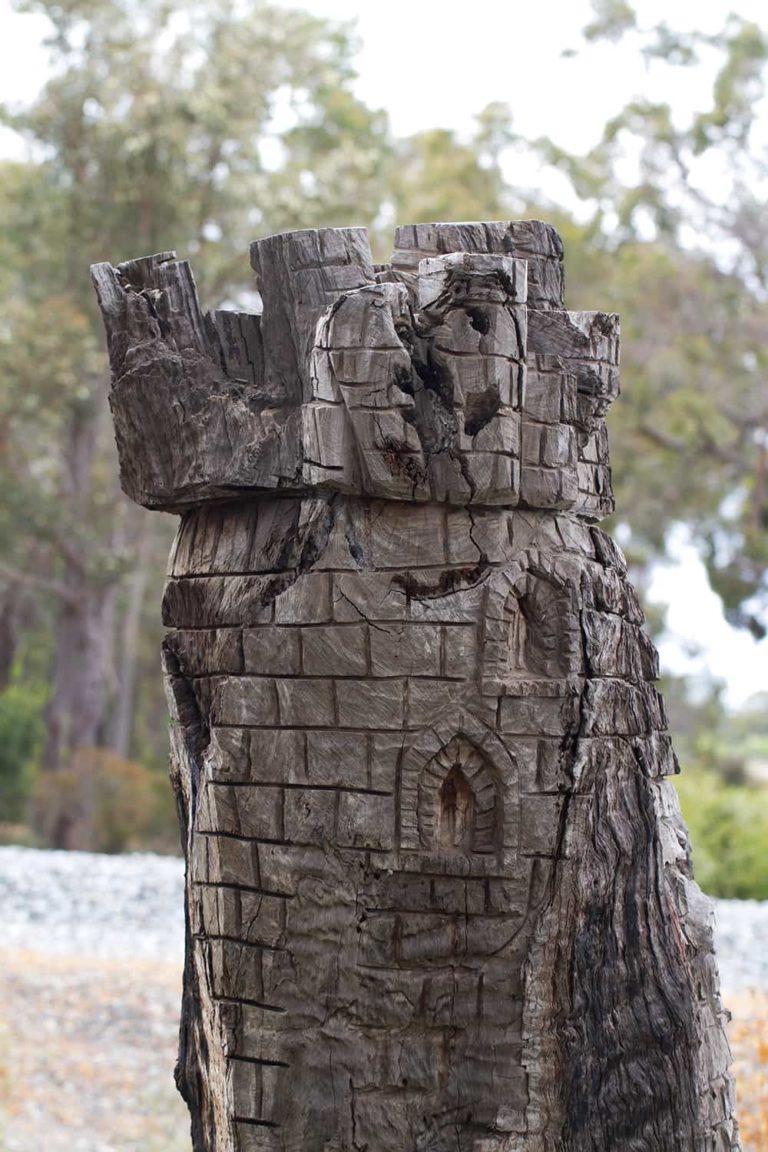
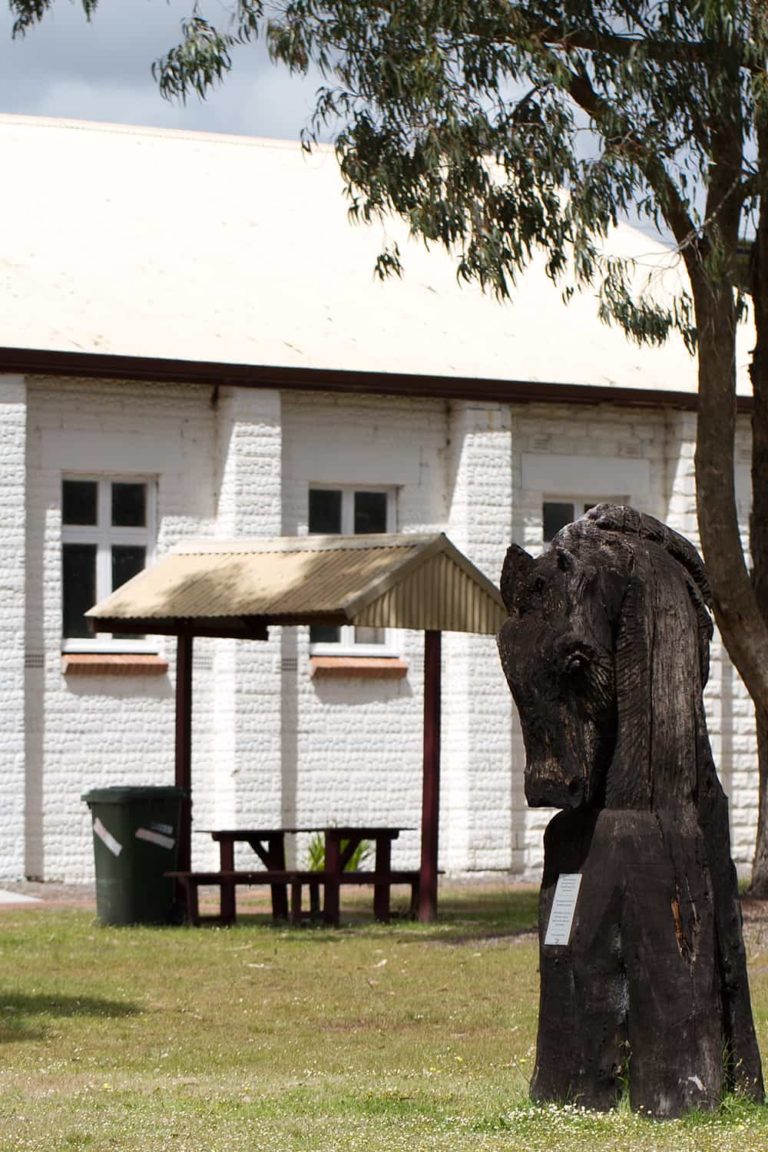
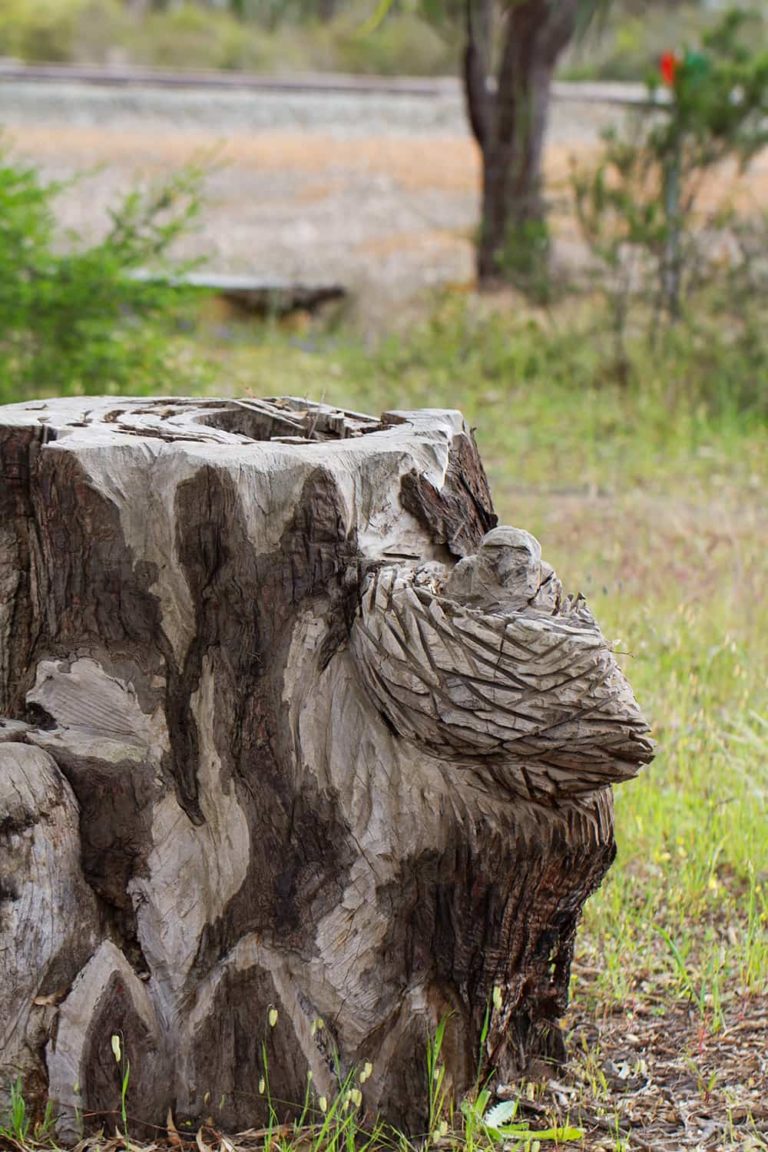
Wildflowers are a colourful sight in many of the bush areas around the town come spring. The giant
chess sculptures provide a novel photo opp., and many places of historical interest are signposted
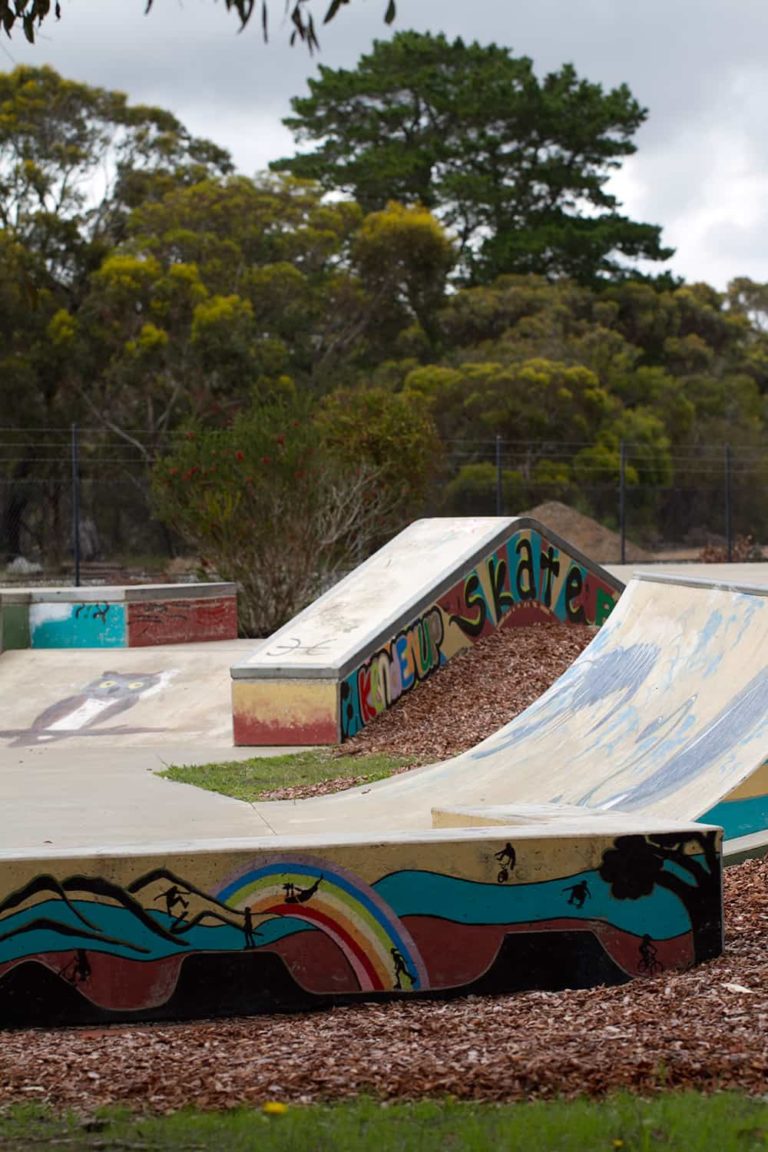
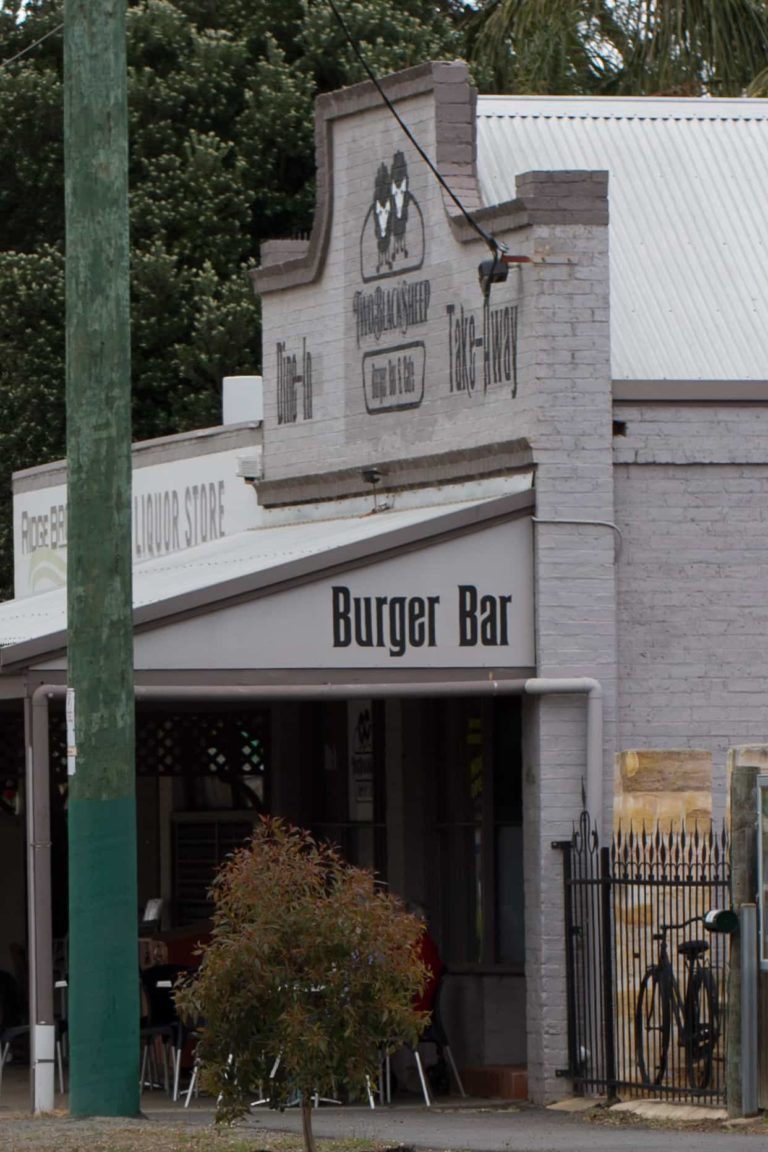
around the town area, including the WWII P.O.W. Control Centre. Wining, dining, caravanning,
camping and accommodation are all here making it a great jumping off point for adventures in the
Stirling Range and Porongurup National Parks.